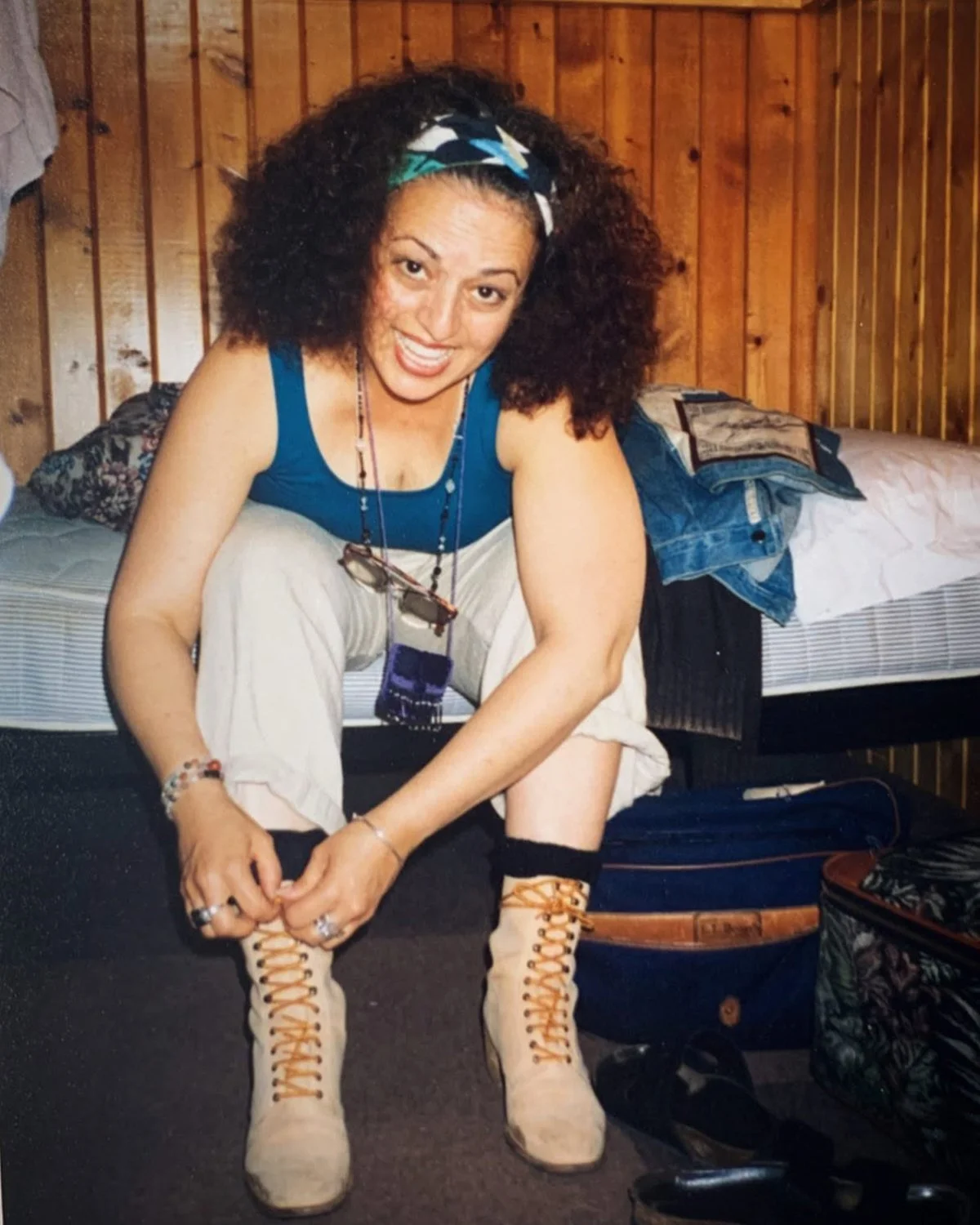
Built from the inside out.
Illuminating Recovery Institute was founded by someone who has lived recovery, studied it, and spent four decades helping others find their footing in it. Everything here grows from that ground.
Our Mission: Recovery deserves a wider net.
Illuminating Recovery Institute exists because long-term recovery asks more of people than most programs prepare them for. Loss happens. Grief arrives uninvited. Life changes in ways no one plans for. And when it does, even the strongest recovery can feel like it's not quite enough. We train the people who stand beside those in recovery: the facilitators, counselors, therapists, peer supporters, and organizations who show up day after day. We give them a framework, a curriculum, and the confidence to hold space for conversations that most recovery models quietly avoid.
Our work is built on a simple conviction: If people understand the impact of loss, change, and grief before they are blindsided by it, we believe they can protect the recovery they have already fought so hard to build.
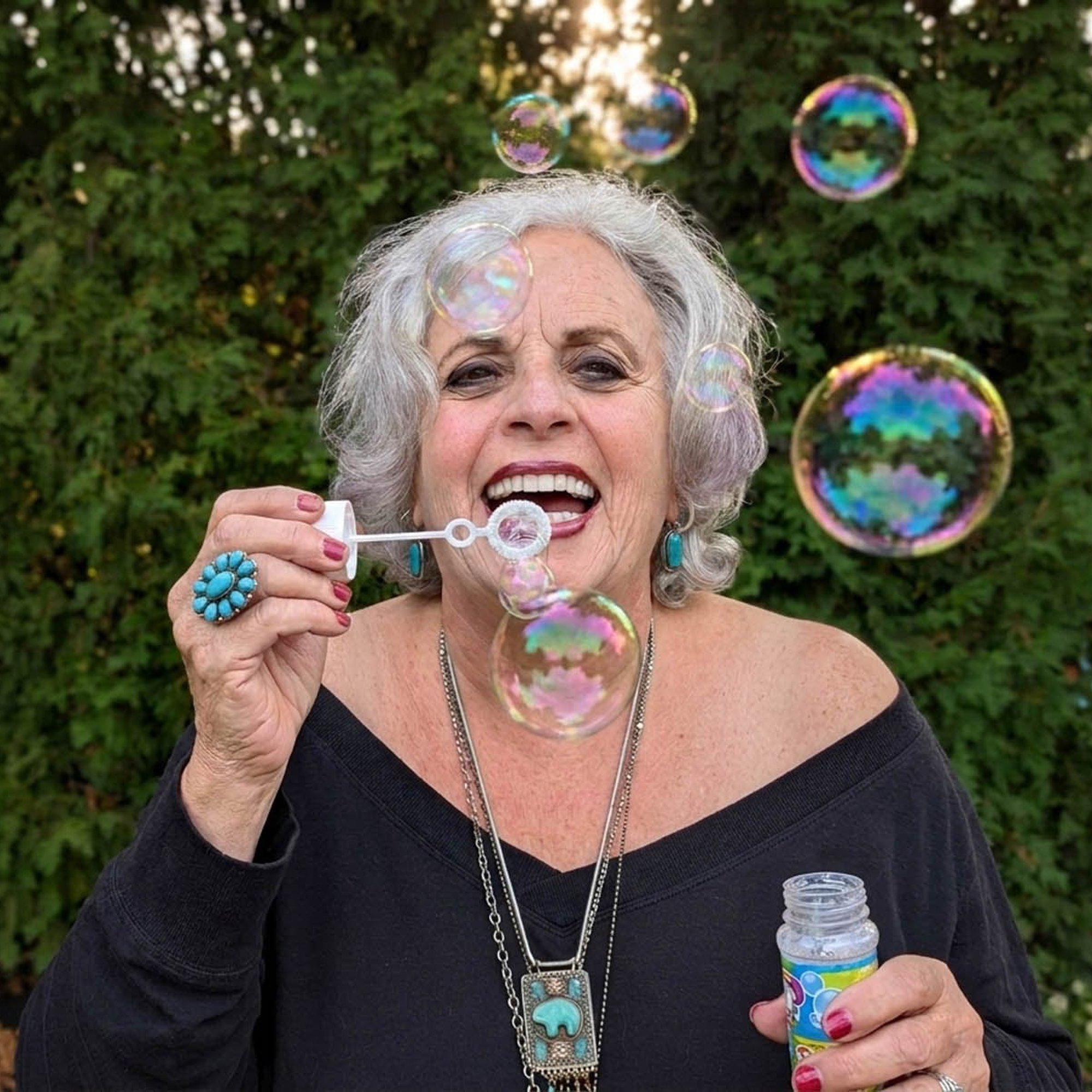
Noeréna Abookire, PhD, Founder
Dr. Noe believes there is room for joy and sorrow in our hearts. She did not arrive at this work from the outside looking in. She brings over two decades of her own personal recovery to everything she teaches, alongside a Ph.D. from NYU and more than 40 years of experience working in prevention and treatment settings.
Over a five-year period, she facilitated more than 2,000 groups in treatment centers across across Southern California. Over a five-year period, she facilitated more than 2,000 groups in treatment centers across Southern California. In those rooms, she heard a recurring theme from clients who had done everything right in their recovery, and yet they ended up in treatment again. They were the lucky ones who did not die. She discovered a common theme. Clients identified the connection between loss, change, and grief as the unspoken triggers that most programs were not addressing at all. They talked about their need to numb themselves when life got tough. Her approach addresses something missing in traditional relapse prevention.
Dr. Noe describes her work not as a set of rules, but a philosophy of living that travels with a person long after any group session ends. She trains facilitators not just to deliver lessons, but to spark the kind of curiosity and self-reflection that stays.

Dr. Noe describes her work as a living legacy. Not a set of rules, but a philosophy of living that travels with a person long after any group session ends. She trains facilitators not just to deliver lessons, but to spark the kind of curiosity and self-reflection that stays.